
LED Lighting for Cultural Tourism and Nightscapes
Patterned nightscape lighting with 27 GD-P / GD-PM pixel models and 10 linear models. Catalogue pitch 160 mm, DMX512 control per listed model.
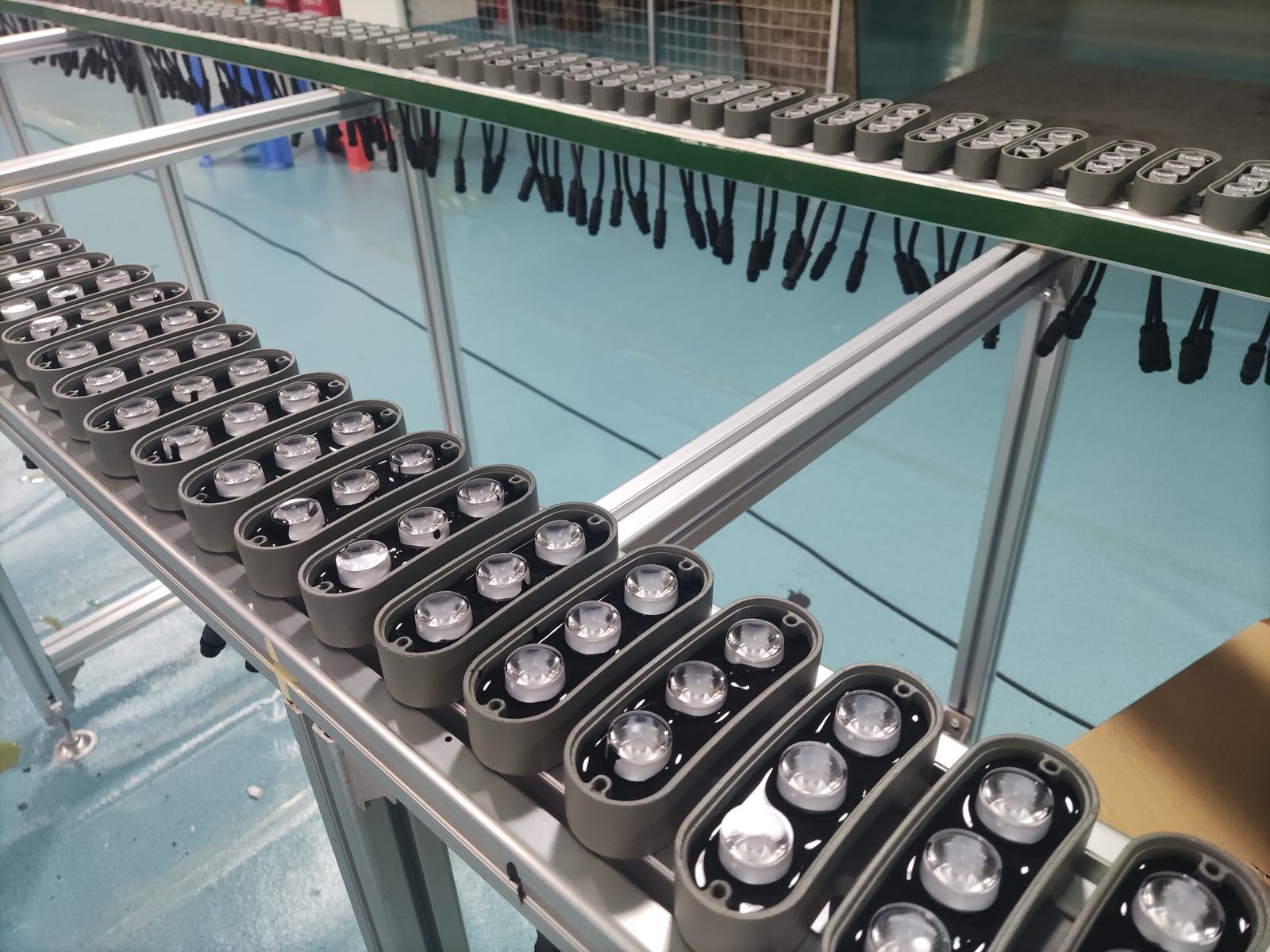
Cultural tourism and nightscape lighting builds patterned scenes across facades, plazas and landscape features with point sources and linear bars. GDXC Lighting lists 27 GD-P / GD-PM pixel models and 10 linear models; the catalogue describes 160 mm pixel pitch and 30 pixels per string, both treated as descriptive figures. Pixel and linear fixtures use DMX512 control on the listed models.
Scope of supply in this sector
This page covers fixture selection for patterned and layered night scenes. The 160 mm pitch and 30 pixels-per-string figures are catalogue descriptions, not field limits; the pattern drawing governs a real installation.
Requirements
| Pixel models | 27 entries, GD-P and GD-PM series |
|---|---|
| Catalogue pitch | 160 mm (descriptive) |
| Catalogue string | 30 pixels per string (descriptive) |
| Control | DMX512 on listed pixel and linear models |
| Linear models | 10 catalogue entries |
| Colour versions | RGB pixel modules; confirm version per model |
Listed housing materials
- PC pixel housing and lens
- RGB LED module per model
- Aluminium plus PC body on GD-L2048PC
- 6063 extruded aluminium where specified
- Sealed connection leads and connectors
Applicable standards
- DMX512 control protocol — used for addressing pixel and linear zones; not a product certificate
- IEC 60598-1 — general luminaire requirements used as a design reference
- IEC 60529 IP code — enclosure protection only, with field joints specified separately
- Per-model product details confirmed; no unverified certification is asserted
Typical parts
- GD-P / GD-PM pixel nodes, 27 catalogued models
- RGB pixel modules for dot matrices
- GD-L2048PC linear bar, W20 × H48 × L1000 mm, 10W/12W/15W
- Wall washers for a continuous wash layer
- Cable leads, connectors and address records
Quality risks specific to this sector
These are the failure modes we see most often in this industry. They are listed because knowing them before design review is cheaper than discovering them at first article.
- Treating 30 pixels per string as a guaranteed maximum on a large matrix risks unaddressed nodes and signal drop; string length is reviewed per project.
- Using 160 mm catalogue pitch as a fixed value changes node count on a curved or irregular facade; actual spacing comes from the pattern drawing.
- Mixing RGB pixel zones with single-colour linear zones without a channel plan multiplies addressing work at commissioning.
Compliance and capability questions
How do you plan a pixel pattern for a nightscape project?
The dot pattern is drawn on the elevation first, then converted into node count and address order. The catalogue describes 160 mm pitch and 30 pixels per string, but both are descriptive: spacing and string length are confirmed against the site drawing.
Does DMX512 certification matter for pixel lights?
DMX512 is a protocol, not a certification. The 27 GD-P / GD-PM pixel models are listed with DMX512 control, and multi-channel control is supported for large projects. No certificate number is published on this site.
Can pixel nodes replace wall washers in a nightscape?
No. Pixel nodes form dots and patterns; the catalogue also lists 20 wall-washer models for a continuous wash. Most scenes use both layers, with separate DMX512 channel plans for each.
Industries we also supply
Building Facade
Building facade lighting uses exterior fixtures to reveal elevation texture, edges and depth after dark. GDXC Lighting reviews facades against 20 wall-washer models, 10 linear models and 27 pixel models; a 2026 inquiry supplied a 70 × 50 ft front elevation.
View sectorBridge & Infrastructure
Bridge and infrastructure lighting uses linear bars and aimed fixtures to mark railings, edges and structural lines for night visibility. GDXC Lighting lists 10 linear models and 29 flood models; GD-L2048PC is W20 × H48 × L1000 mm at 10W/12W/15W on DC24V, while compact floods are 65 × 65 × 55 mm at 3×2W or 4×2W on AC220V..
View sectorCommercial & Hospitality
Commercial and hospitality exterior lighting shapes entrances, canopies and outdoor seating areas with flood lights, wall washers and linear bars. GDXC Lighting catalogues 29 flood models, 20 wall-washer models and 10 linear models; the compact flood is 65 × 65 × 55 mm at 3×2W or 4×2W on AC220V, while facade bars run on DC24V with DMX512 options..
View sectorSend your elevation, get a project quote
Send the facade drawing or fixture schedule with quantity and destination. Quotes are built per configuration and trade terms; no internal price list is published.